Root Canal Dentist in Richardson, TX
A toothache that won't quit is often a sign of infection deep inside the tooth. As your root canal dentist in Richardson, we remove the infection, relieve the pain, and help you keep your natural tooth, with comfort built into every step.
What is a root canal?
A root canal is a treatment that removes infected or inflamed pulp from inside a tooth, cleans and disinfects the canals, and seals them to stop the infection. It relieves pain and lets you keep your natural tooth instead of having it pulled. Most teeth are then protected with a crown.
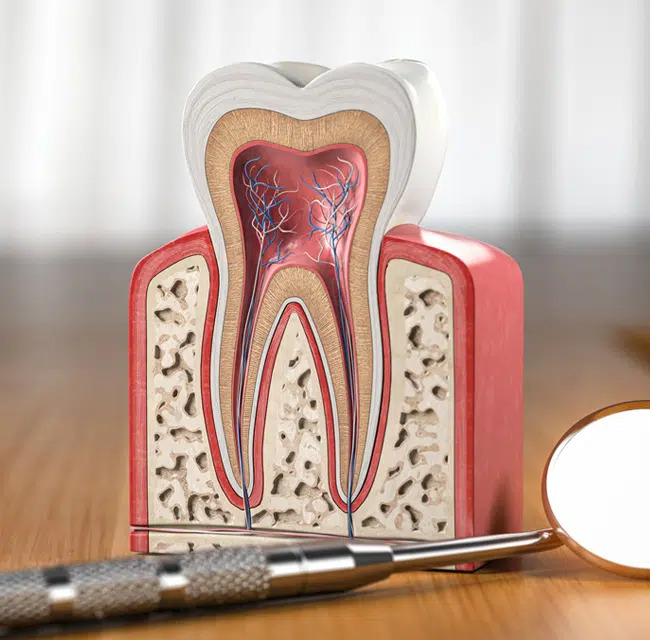
If you're looking for a gentle root canal dentist in Richardson, it helps to understand what is happening inside your tooth. Every tooth has three layers. Dental enamel forms the hard outer shell. Dentin is a softer layer beneath it. At the center is the pulp, a soft tissue that contains connective tissue, nerves, and blood vessels.
Normally, the pulp is well protected by enamel and dentin. However, when bacteria reach it through a deep cavity, a crack or fracture, or trauma to the tooth, the pulp can become infected. An infected tooth is usually very painful, and if it is left untreated, the pain tends to persist and worsen.
When infection reaches that point, the only alternatives are root canal therapy or removing the tooth. Extraction is never our first choice. Root canal treatment eliminates the infection, preserves your natural tooth, and restores your oral health, so you can chew and smile comfortably again.
Root canal therapy at a glance
- What it treats
- Infected or inflamed pulp caused by deep decay, cracks, fractures, or trauma
- Treatment time
- Typically 1–2 visits, depending on the tooth and the infection
- Anesthesia
- Local anesthetic to numb the tooth, with nitrous oxide available for anxiety
- Recovery
- Most people return to normal routines within a day or two; mild tenderness is common
- After treatment
- A crown is often recommended to protect the tooth
- Insurance
- We are in-network with many PPO plans; see our insurance page
- Where
- 1750 Alma Rd #110, Richardson, TX 75081, serving Richardson, Plano, and Garland
Do I need a root canal? Signs to watch for
If you notice any of the following, it may indicate an infected or abscessed tooth:
- Severe or lingering toothache, especially when chewing or biting
- Jaw discomfort or inflammation
- Intense tooth sensitivity to hot or cold that stays after the source is removed
- A bump on the gums that resembles a pimple
- Puffy, red, or swollen gums near one tooth
- An unpleasant taste or smell in the mouth
- Darkening or discoloration of a single tooth
If you notice any of these signs and suspect a tooth infection, please contact our dental office in Richardson right away at (469) 947-3963. An infected tooth needs prompt attention, not only for your comfort but also for your overall health, safety, and well-being. If the pain is sudden or severe, see our emergency dental care in Richardson.
Is a root canal painful?
With modern techniques and a strong local anesthetic, a root canal usually feels much like getting a filling. The tooth is fully numbed before treatment begins, so most patients feel pressure rather than pain. In fact, many people arrive in pain and feel relief as soon as the tooth is numb.
Before we begin, our dentist administers a potent local anesthetic to numb the tooth so you are comfortable throughout treatment. If you arrive at our office in pain, you'll be relieved to feel that pain fade once the tooth is numb.
If you experience dental anxiety, we have a gentle solution for you. Nitrous oxide (laughing gas) helps you relax during your procedure. We also provide neck pillows, blankets, and TVs in our treatment rooms so you can settle in and feel at ease. It is all part of the gentle touch our patients know us for.
After treatment, it is normal for the area to feel tender for a few days while the tissues settle. Over-the-counter pain relievers are usually enough, and we will give you clear aftercare instructions before you leave.
What happens during root canal treatment?
Knowing what to expect can make your visit feel easier. Here is how root canal therapy typically works:
- 1
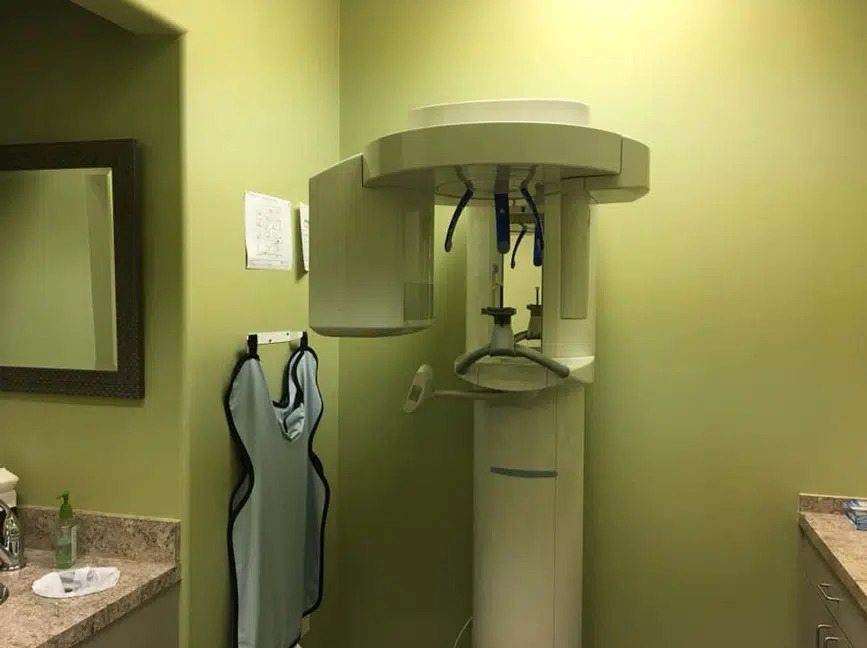
Exam and digital X-rays: We examine the tooth and take digital X-rays to see the extent of the infection and the shape of the root canals.
- 2
Numbing and comfort: We numb the tooth with a local anesthetic. Nitrous oxide is available if you'd like help relaxing.
- 3
Cleaning the canals: We make a small opening in the tooth, remove the infected or inflamed pulp, and carefully clean and disinfect the canals.
- 4
Sealing the tooth: The cleaned canals are filled and sealed to keep bacteria out, and the opening is closed with a filling.
- 5
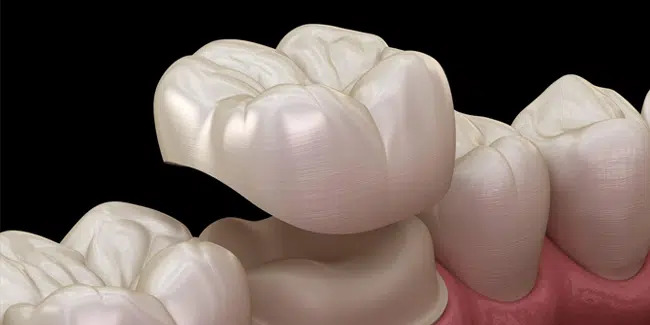
Protecting the tooth: Your dentist may recommend a crown to strengthen the tooth, especially for back teeth that handle heavy chewing forces.
Many patients choose a dental crown in Richardson to complete their care. When appropriate, we can create same-day crowns with CEREC technology.
Root canal vs. tooth extraction: which is better?
When a tooth is infected, saving it is usually the healthier long-term choice. Your dentist will walk you through the options for your situation.
- 01
Keeps your natural tooth
Root canal therapy preserves your natural tooth, which helps maintain your bite, your jawbone, and the position of neighboring teeth.
- 02
Avoids problems from missing teeth
Missing teeth can lead to bone loss and shifting of the surrounding teeth. Saving the tooth helps you avoid these issues.
- 03
Often a more comfortable recovery
Compared with tooth extraction, root canal treatment is generally less uncomfortable and has a shorter recovery time.
- 04
When extraction may be needed
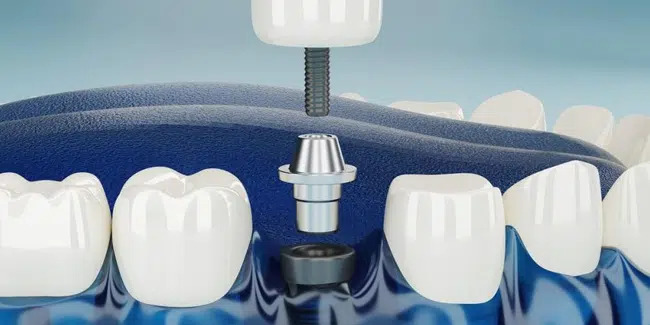
If a tooth is too badly broken or the infection is too advanced to save it, your dentist may recommend extraction and discuss replacement options such as dental implants in Richardson or a dental bridge.
Get relief from tooth pain in Richardson
An infected tooth will not heal on its own, and waiting usually makes treatment more involved. If you've been searching for a "root canal dentist near me," our team at 1750 Alma Rd #110, Richardson, TX 75081, near Prairie Creek Park, is here to help patients from Richardson, Plano, and Garland.
Call us at (469) 947-3963 or request an appointment online. We offer same-day emergency appointments whenever possible.
Root canal questions, answered
How do I know if I need a root canal?
Common signs include a severe or lingering toothache, sensitivity to hot or cold that does not fade, swollen or tender gums, a pimple-like bump on the gums, and a bad taste in the mouth. Some infections cause no symptoms and show up only on X-rays. A dental exam is the only way to know for sure.
Is a root canal painful?
For most patients, a root canal feels similar to a routine filling. The tooth is completely numbed with a local anesthetic first, and nitrous oxide is available at our Richardson office if you feel anxious. Many people actually feel relief, because the treatment removes the source of the pain.
How long does a root canal take?
Root canal therapy is typically completed in one or two visits, depending on the tooth, the number of canals, and how advanced the infection is. Your dentist will give you a clear plan at your exam so you know how many appointments to expect and when a crown may follow.
Do I need a crown after a root canal?
Often, yes. A tooth that needed a root canal has usually lost some structure to decay or damage, and a crown helps protect it from cracking. Back teeth in particular benefit from a crown. Your dentist will recommend whether a crown or a filling is right for your tooth.
Is it better to get a root canal or pull the tooth?
Saving your natural tooth is usually the better choice when it is possible. Removing a tooth can lead to bone loss and shifting teeth, and it typically needs to be replaced. Root canal treatment generally involves less discomfort and a shorter recovery than extraction. Your dentist will explain your options.
What should I expect after root canal treatment?
It is normal for the tooth and gums to feel tender for a few days. Over-the-counter pain relievers usually help. Avoid chewing hard foods on that side until your final restoration is placed, and keep brushing and flossing gently. Call your dentist if you have swelling or pain that gets worse.
Where can I find a root canal dentist in Richardson, TX?
Gentle Touch Dentistry Richardson is located at 1750 Alma Rd #110, Richardson, TX 75081, near Prairie Creek Park, and serves patients from Richardson, Plano, and Garland. We offer local anesthetic, nitrous oxide, and comfort amenities to make your visit easier. Call (469) 947-3963 to schedule.